
Keyhole Herb Garden Plans
Here you will find plans to creating a self-sustaining herb garden using permaculture principles.
Cathy Hirzel
12/27/20253 min read
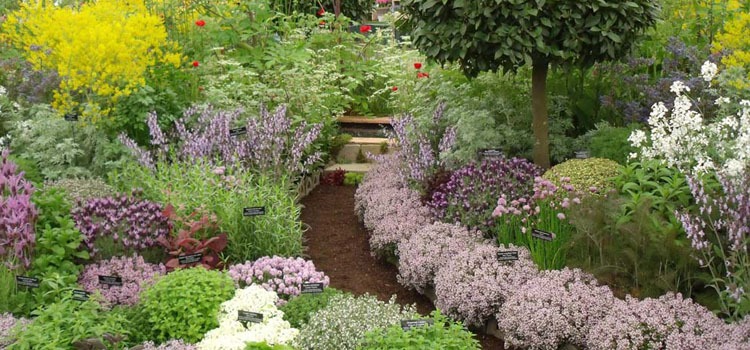
How to Build a Self-Sustaining Keyhole Herb Garden
A keyhole herb garden is one of the simplest ways to grow food while improving soil health and reducing waste. This design uses living soil, companion planting, and a Black Soldier Fly (BSF) compost core to create a low-maintenance system that feeds itself over time.
Once established, this garden requires very little watering, no tilling, and almost no weeding.
Why a Keyhole Garden Works
The keyhole shape allows you to:
Reach every plant without stepping on soil
Maximize growing space in a compact footprint
Concentrate nutrients where plants need them most
Placing a compost system in the center allows nutrients to move outward naturally through the soil — exactly how ecosystems function in nature.
Garden Size & Site Selection
Overall Dimensions
9 feet wide × 12 feet long × no taller than 1 foot high
U-shaped design for easy access
Mimics natural soil depth
Retains moisture more effectively
Encourages roots to reach into native soil
Compost generates heat keeping temperatures more stable for soil life
Location Requirements
Prior to planting your garden cover the area with PFAS free cardboard or paver stones to kill any grass or weeds, this takes 6-8 weeks to achieve so plan accordingly
Site requires a minimum of 6 hours of direct sunlight
Site should be in a well-drained area
Remove soil cover, but don't till
Step 1: Build the Central Compost Core (BSF System)
At the center of the keyhole, create a 3'-foot-wide circular compost containment area, built only 1 foot tall, using woven willow or vine branches.
This breathable structure allows air, moisture, insects, and nutrients to move freely between the compost core and the surrounding garden beds.
Layer the compost core:
First layer branches and twigs to provide airflow and drainage. You must keep larvae from getting too wet. Second add wood chips for stability, continued drainage and a carbon source. Third add a finished compost. Forth add a layer of food scraps (refrain from cooked foods, meats & dairy, as they contribute to odor issues and draw undesirable pests) Lastly, add Black Soldier Fly larvae. These can be purchased.
BSF larvae rapidly break down food waste, creating nutrient-rich leachate that feeds the garden beds passively — no turning required.
Step 2: Build the Keyhole Beds
Surround the compost core with a 2-4" layer of good quality topsoil (perferably make your own for a closed loop system).
Healthy soil should be:
Rich in organic matter
Well-draining yet moisture-retentive
Alive with microbes, fungi, and insects
No tilling is needed — soil life thrives when left undisturbed.
Step 3: Planting Layout
Outer Edges (Tall, Woody Herbs)
Spacing: 1' (Note: the goal in permaculture is to fill all spaces, but remember each plant needs initial space to spread, so cover crops may be required to fill voids, such as rye grass)
Rosemary, Sage & Dill– 3 plants each
Rosemary & Sage help repel pests
Dill attracts benificial pollinators
Drought tolerant once established and anchors the bed long-term
Middle Ring (Spreading & Medium Herbs)
Spacing: 1'
Oregano – 6 plants
Spreads quickly to fill space
Functions as living mulch
Thyme – 6 plants
Low-growing and weed suppressing
Thrives in well-drained soil
These knit the bed together and suppress weeds
Inner Edge (Moisture Loving Herbs)
Spacing: 8–12 inches
Parsley & Basil – 6 plants each
Enjoys nutrient-rich soil near the compost core
Easy access for continual harvesting
Protective Border (Pest Deterrents)
Spacing: 6 inches
Garlic – 12 bulbs
Onions – 12 plants
Planted along inner and outer edges to deter pests and support plant health.
Step 4: No Bare Soil — Ever
Bare soil leads to weeds, moisture loss, and soil degradation.
After planting:
Mulch lightly with wood chips or chopped leaves
Allow plants to knit together naturally
Aim for 100% soil coverage
Healthy soil acts like a sponge, protecting water quality and supporting plant life.
Why This System Is Truly Low Maintenance
No tilling
Minimal watering
Continuous nutrient cycling
Weed suppression through plant density
Compost processed by insects, not people
This garden works because it mirrors how soil forms in nature
Expanding the Design
This same 1-foot keyhole method can be adapted for:
Wildflower gardens
Vegetable gardens
Community teaching gardens
Neighborhood compost systems
Once the pattern is understood, it can be replicated anywhere
Final Thought
Environmental solutions don’t need to be complicated. When systems are designed with nature in mind, they largely maintain themselves.
This 1-foot keyhole herb garden demonstrates how simple, regenerative design can feed people, heal soil, and reduce waste — the heart of Stewards for Earth.